

5 Things Every Miami Gymnastics Parent Should Know in Their First Month
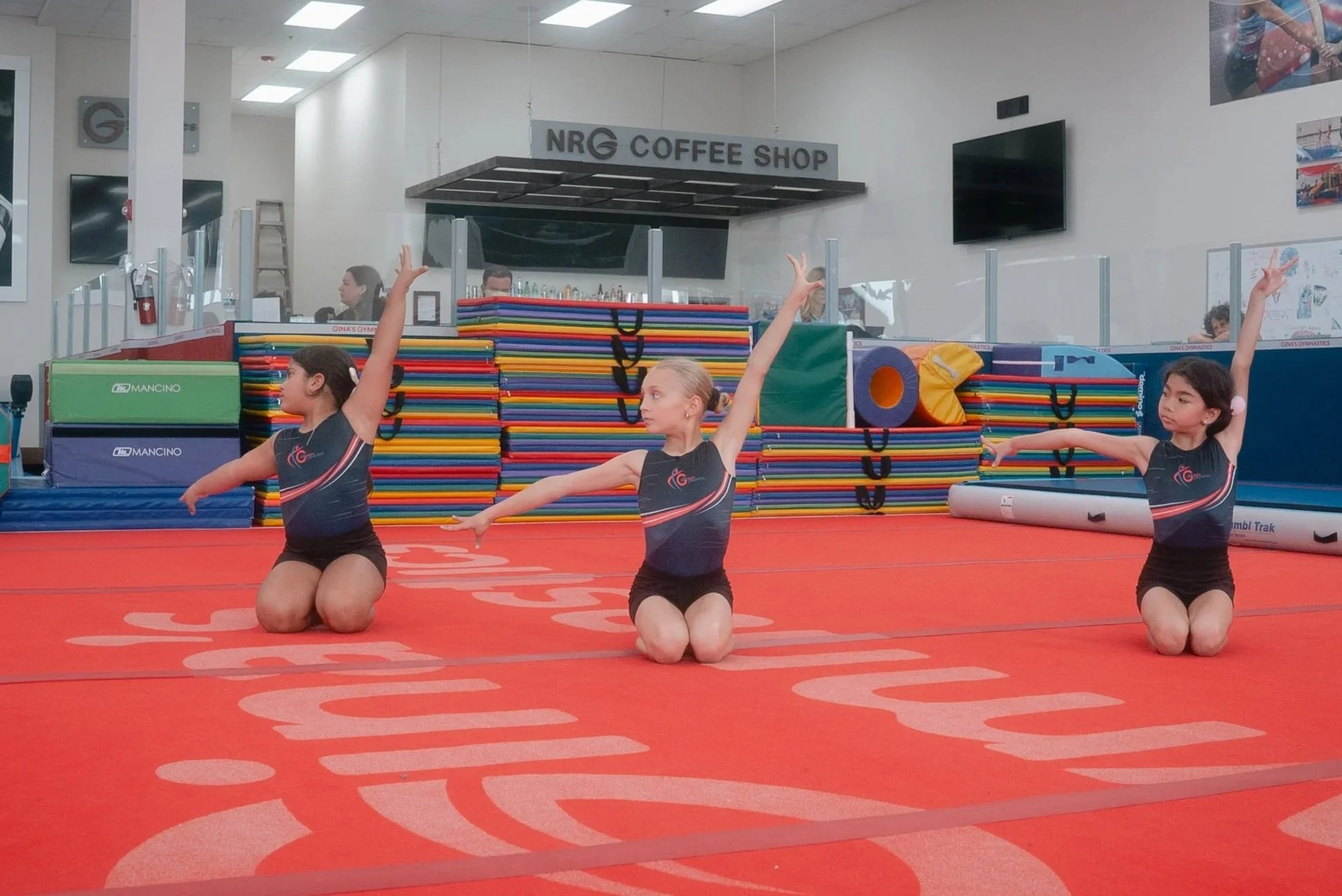
At Gina's Gymnastics in Miami, we've welcomed hundreds of new families through our doors. Here are the five most important things we wish every gymnastics parent knew in their first month.
Your child just started gymnastics — and you're already hooked. You've seen the excitement on their face after class, the way they practice cartwheels in the living room, the pride when they nail something new. But like any new journey, the first few weeks come with questions. What should I expect? Am I doing this right? How can I best support my child? Here are some ways how.
Progress Isn't Always Linear — And That's Perfectly Normal
Some weeks your child will come home buzzing about a new skill they mastered. Other weeks, it might seem like nothing clicked. This is completely normal in gymnastics — and in any sport that involves complex movement learning. The brain and body need time to absorb and consolidate new skills, which means progress often happens in bursts.
The worst thing a parent can do in the first month is compare their child's progress to another child's. Every gymnast has a unique timeline. Trust the process, celebrate the small wins, and know that the foundation being built right now — even when it's invisible — is everything.
Your Words After Class Matter More Than You Think
Research on youth sports consistently shows that what a parent says in the car ride home after practice has an enormous impact on a child's enjoyment and long-term participation. The magic question? "What was the most fun part of class today?"
Avoid immediately asking about specific skills, whether they did it right, or how they compared to other kids. Keep post-class conversation positive and curiosity-driven. Let them lead. Your enthusiasm for what they share — not what they performed — is what keeps them coming back week after week.
The Right Gear Makes a Difference
A few simple things make class easier, safer, and more comfortable for your child:
Fitted leotard or athletic wear: Loose clothing can get caught on equipment and restrict coach visibility of body position
Hair secured completely: A bun or tight braid keeps hair out of the face during inversions and keeps your child focused
No jewelry: Even small earrings or bracelets can cause injury on equipment
Bare feet or gymnastics shoes: Grip and feel are essential — socks alone can be slippery on floor and beam
Water bottle: Kids work hard in class — hydration before, during, and after is important
Let the Coach Coach
This one is important. Once your child is on the floor, your job is to be the enthusiastic audience — not the assistant coach. Even if you were a gymnast yourself, calling out corrections or techniques from the sideline undermines the coach-athlete relationship and can confuse your child with mixed signals. Our coaches at Gina's Gymnastics are trained, experienced, and deeply invested in every child's progress. They have a plan, and they execute it class by class. The best thing you can do during class is cheer, smile, and let them do their job.
Consistency Is the Secret Ingredient
The single most important factor in your child's gymnastics progress isn't talent, flexibility, or natural athleticism. It's showing up consistently. Children who attend class regularly, even when they're tired or unmotivated, build momentum that simply can't be replicated by sporadic attendance.
We understand that life in Miami is busy — school, family commitments, and everything in between. But try to protect your child's gymnastics time like you would any other important appointment. The routine itself becomes part of the development. And on the days they really don't want to go? Those are often the days they surprise themselves the most.
Welcome to the Gina's Gymnastics family. We are genuinely thrilled to be part of your child's journey — and we can't wait to see where it takes them.
